Optimal Timing for Brick Whitewashing
Brick whitewashings are a traditional method of enhancing the appearance and protecting brick surfaces. The timing of application can significantly impact the longevity and effectiveness of the whitewash. Proper timing ensures optimal adhesion, weather resistance, and aesthetic appeal.
Spring and early fall are optimal for whitewashing due to moderate temperatures and low humidity, which promote proper drying and adhesion.
Whitewashing should be avoided during rainy, extremely hot, or humid periods, as these conditions can interfere with the application and curing process.
In regions with mild climates, whitewashing can be performed year-round, but in colder or more variable climates, it is best done during stable weather periods.
Typically, whitewashings last 3-5 years depending on exposure and maintenance, so planning reapplications during suitable seasons is recommended.
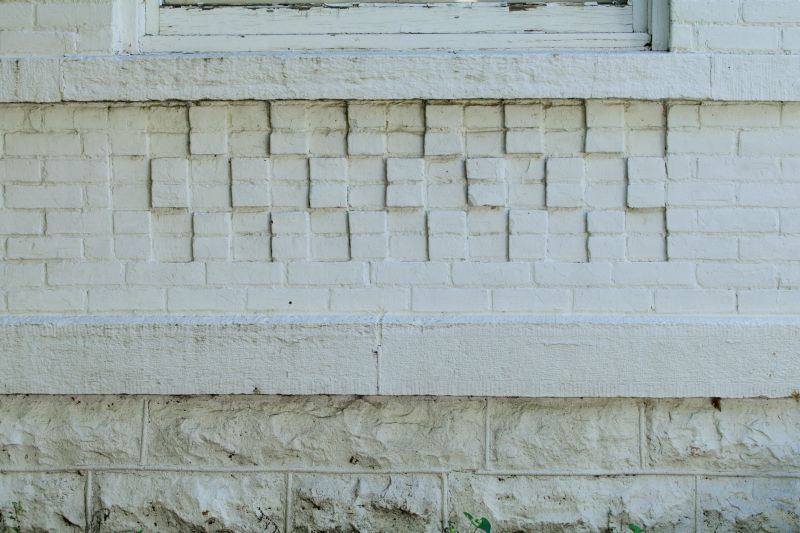
A classic whitewashed brick surface in optimal weather conditions.
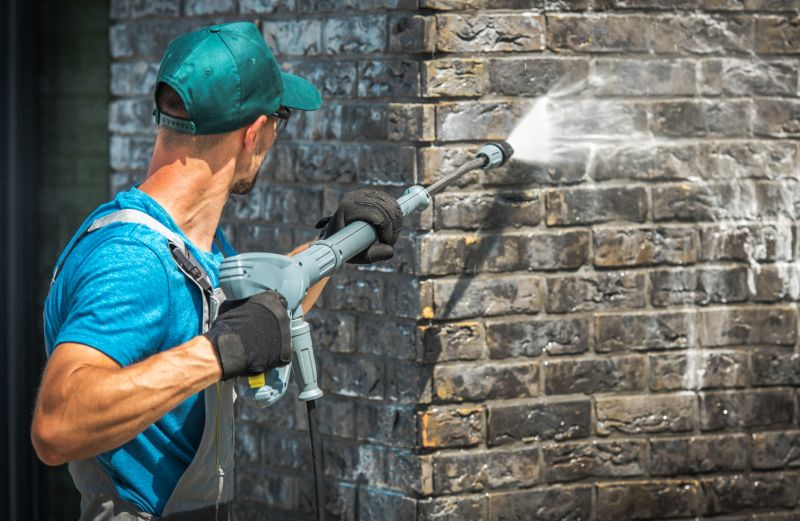
A worker applying whitewash during a mild, dry day.
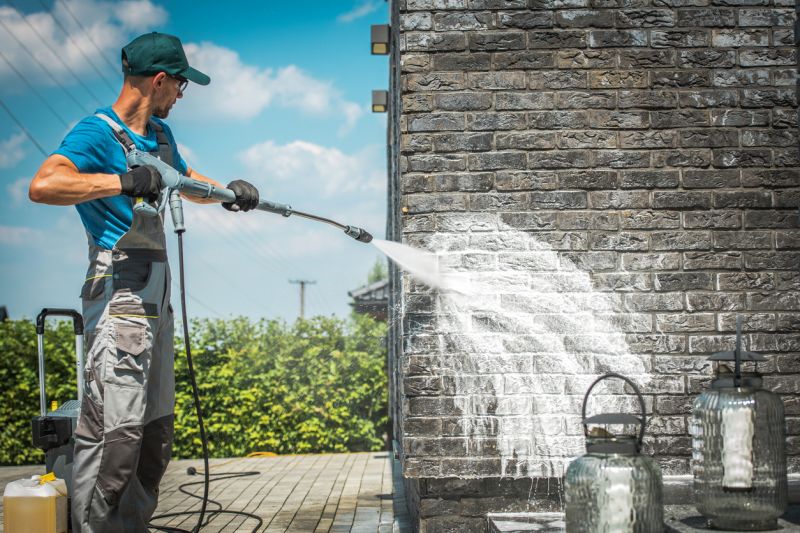
Close-up of a well-executed whitewash on brick.
Ways to make Brick Whitewashings work in tight or awkward layouts.
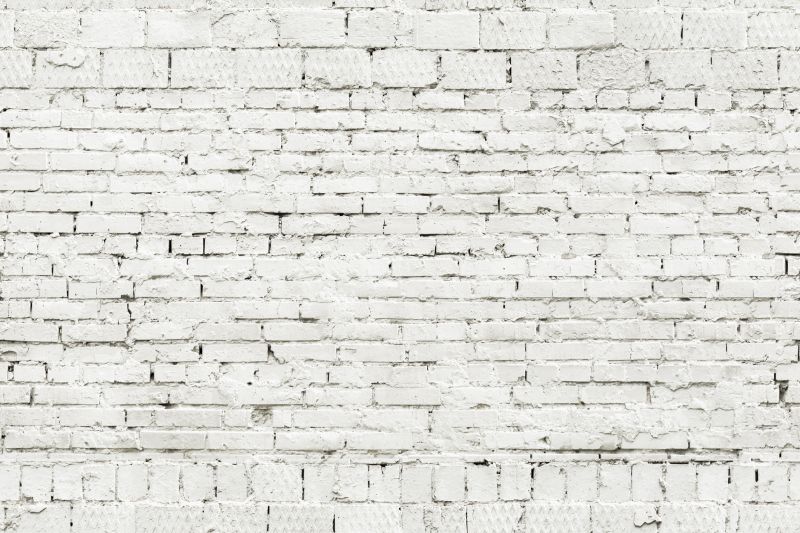
Popular materials for Brick Whitewashings and why they hold up over time.
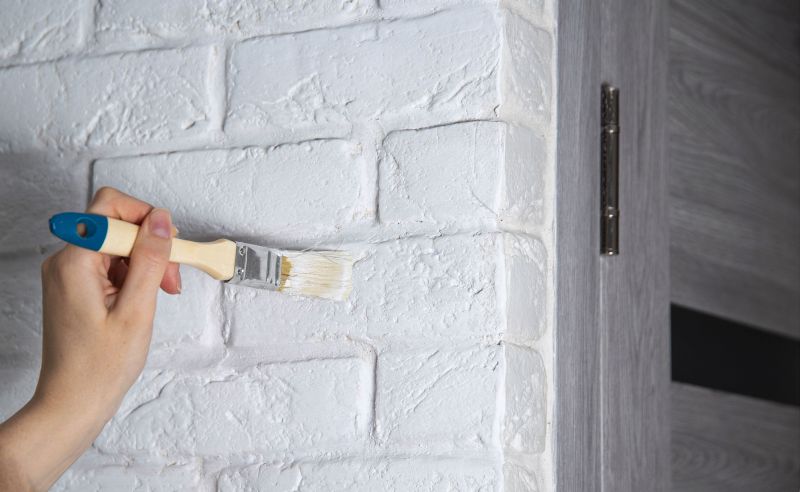
Simple add-ons that improve Brick Whitewashings without blowing the budget.
| Season | Recommended Conditions |
|---|---|
| Spring | Moderate temperatures, low humidity, dry weather |
| Summer | Early morning or late afternoon to avoid heat peaks |
| Fall | Stable weather, low precipitation, mild temperatures |
| Winter | Not recommended in freezing temperatures or wet conditions |
Brick whitewashing is a centuries-old technique that provides a protective and decorative coating for brick surfaces. The process involves applying a mixture of lime, water, and sometimes other additives to create a matte, opaque finish. This method not only enhances the visual appeal of brickwork but also offers a breathable coating that allows moisture to escape, reducing the risk of damage caused by trapped moisture. Proper timing of whitewashing ensures the best adhesion and durability, with ideal conditions typically found during mild, dry seasons. Regular maintenance and reapplication extend the aesthetic and protective benefits of whitewash, making it a popular choice for both historic restorations and modern renovations.
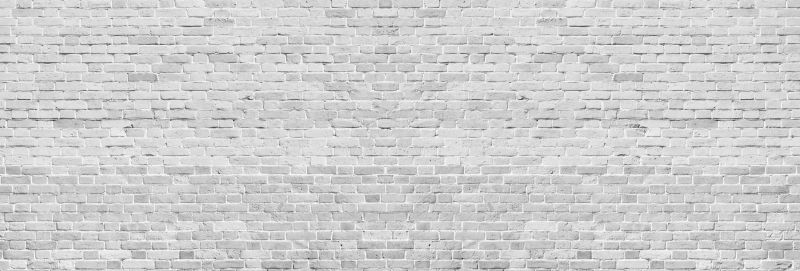
A classic whitewashed brick surface in optimal weather conditions.
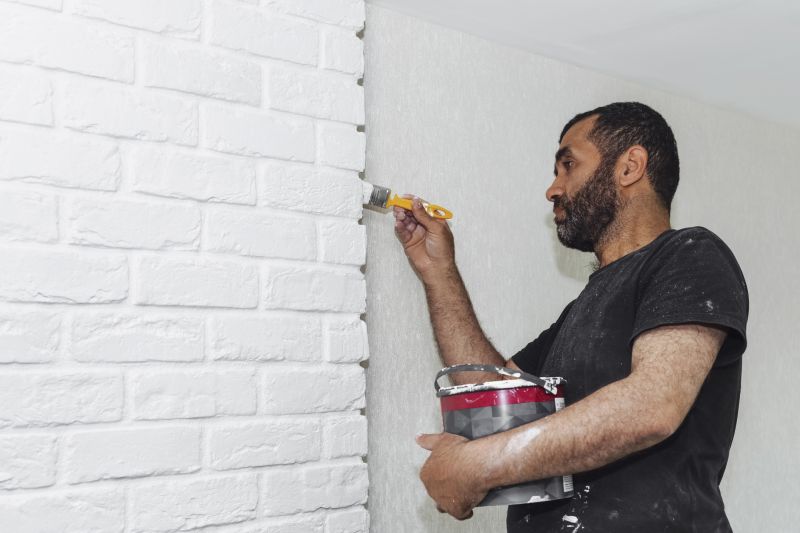
A worker applying whitewash during a mild, dry day.

Close-up of a well-executed whitewash on brick.

A historic building showcasing traditional whitewashed brick.
Interested in enhancing brick surfaces with whitewash? Filling out the contact form can provide additional information and assistance on suitable timing and application techniques for specific projects.